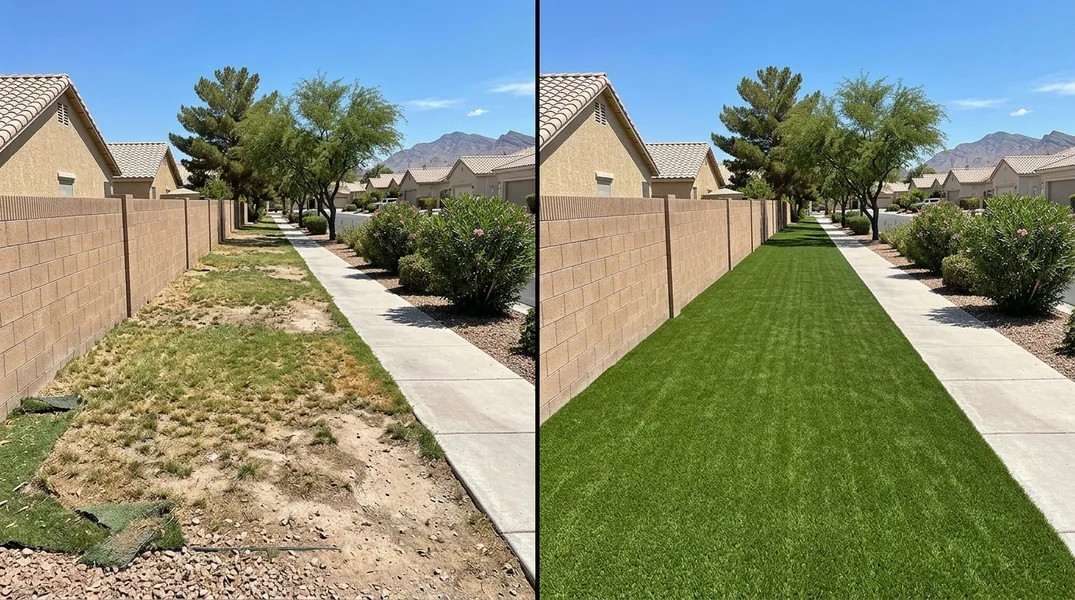
Understanding HOA Artificial Grass Rules in Las Vegas
Living in a homeowners association (HOA) community in Las Vegas comes with certain responsibilities and restrictions, and your front yard landscaping choices are often at the top of that list. Many HOAs have specific guidelines about lawn maintenance, appearance, and material choices. When it comes to artificial grass, these rules can vary dramatically from one community to another, which is why understanding your particular HOA's stance is essential before making any installation decisions.
The good news is that artificial grass has become increasingly accepted by HOAs across the country, including throughout Las Vegas. Many communities recognize the water conservation benefits and low-maintenance appeal of synthetic turf, especially in Nevada's desert climate. However, some older HOA documents may still restrict artificial grass or impose strict quality and appearance standards. Before you invest in Residential Artificial Grass Installation, you'll need to review your HOA's CC&Rs (Covenants, Conditions, and Restrictions) and architectural guidelines to understand what's permitted.
How to Find Your HOA's Artificial Grass Policy
Your first step should be to request a copy of your HOA's governing documents. These typically include the CC&Rs, bylaws, and architectural guidelines. You can usually obtain these from your HOA management company or board. Look specifically for sections on landscaping, lawn care, and exterior modifications. Some HOAs explicitly allow artificial grass, while others may prohibit it entirely or require it to meet certain specifications regarding color, pile height, and drainage capabilities.
If the documents don't clearly address artificial grass, don't assume it's forbidden. Instead, reach out to your HOA board or management company directly with a written inquiry. Ask whether artificial grass is permitted, what approval process is required, and if there are any specific quality standards the turf must meet. Getting this clarification in writing is important because it protects you and gives you documentation of the approval (or denial) for your records. Many HOA boards are becoming more flexible on this issue as water conservation becomes increasingly important in Nevada.
The HOA Submittal and Approval Process for Front Yard Turf
If your HOA permits artificial grass, you'll typically need to submit an architectural request or modification form before installation begins. This formal process protects both you and the community by ensuring that any changes meet established standards. Most HOAs require you to submit detailed information about the artificial grass product you plan to install, including product specifications, color samples, and often photos showing how it will look in your front yard.
The submittal package usually needs to include the manufacturer's product data sheet, which outlines the pile height, material composition, color options, and UV resistance. Some HOAs may also require samples of the turf so board members can physically inspect the quality and color. Be prepared to wait two to four weeks for a response, though timelines vary by community. Once approved, you'll receive written authorization to proceed with installation. Having this approval in writing is crucial before hiring any contractor, as it ensures your project complies with community standards and protects you from potential fines or removal orders later.
Common HOA Requirements for Front Yard Artificial Grass in Nevada
Nevada HOAs often impose specific requirements for artificial grass installations, particularly regarding appearance and functionality. Many communities require that the turf have a natural appearance, which means overly bright or plastic-looking grass may be rejected. Color specifications are common, with most HOAs preferring earth-tone greens that blend naturally with desert landscaping. Additionally, your HOA may require that the artificial grass include proper drainage systems to prevent water pooling, which is especially important in Las Vegas during the occasional heavy rains.
Some HOAs also establish minimum quality standards for the turf material itself, requiring UV-resistant synthetic grass that won't fade or deteriorate quickly under Nevada's intense sun. Edge finishing is another common requirement, with many communities specifying that edges be cleanly finished with metal or plastic edging rather than left raw. Finally, some HOAs may require that you maintain the artificial grass regularly, even though it doesn't need mowing. This might include occasional brushing to maintain pile texture and cleaning to remove dust and debris. Understanding these requirements upfront helps you choose the right product and contractor for your project.
Working with a Professional Installer Who Understands HOA Requirements
Choosing the right contractor to install your artificial grass is just as important as getting HOA approval. A professional installer who has experience working with HOA communities in Las Vegas will understand local requirements and can help ensure your project meets all specifications. At Las Vegas Turf Installation, we've worked with numerous HOA-governed properties and understand the nuances of community approval processes. We can provide the documentation and product specifications your HOA needs to make a decision quickly.
When you reach out for a free estimate, mention that your property is in an HOA community. This allows us to discuss your specific community's requirements and help you prepare a complete submittal package. A reputable installer will also stand behind their work with warranties and guarantees, giving your HOA confidence that the installation meets quality standards. We can be reached at (725) 337-2074 to discuss your project and answer any questions about the approval process.
What to Do If Your HOA Denies Your Artificial Grass Request
If your HOA denies your artificial grass request, don't lose hope. Many denials are based on outdated policies or legitimate concerns about product quality that can be addressed. Request specific feedback about why the request was denied. Was it a general prohibition on artificial grass, or were there concerns about the specific product you proposed? If it's a product issue, you might try resubmitting with a different, higher-quality turf that better meets the community's appearance standards.
If your HOA has a blanket prohibition on artificial grass, you have a few options. You can request a variance or exception, presenting your case to the board with information about water conservation benefits and modern turf quality. You might also attend HOA meetings to discuss the issue with other residents and board members. Some communities are willing to reconsider outdated policies when presented with compelling arguments about environmental benefits and product improvements. If you believe the HOA's restriction is unreasonable or violates Nevada law, you may consult with an attorney who specializes in HOA matters, though this should be a last resort after good-faith negotiation.
Looking for a professional artificial grass installation company in Las Vegas? Las Vegas Turf Installation responds fast for all your artificial grass installation needs.
Get a Free Quote